Land Rover Fault Code C1A20-64
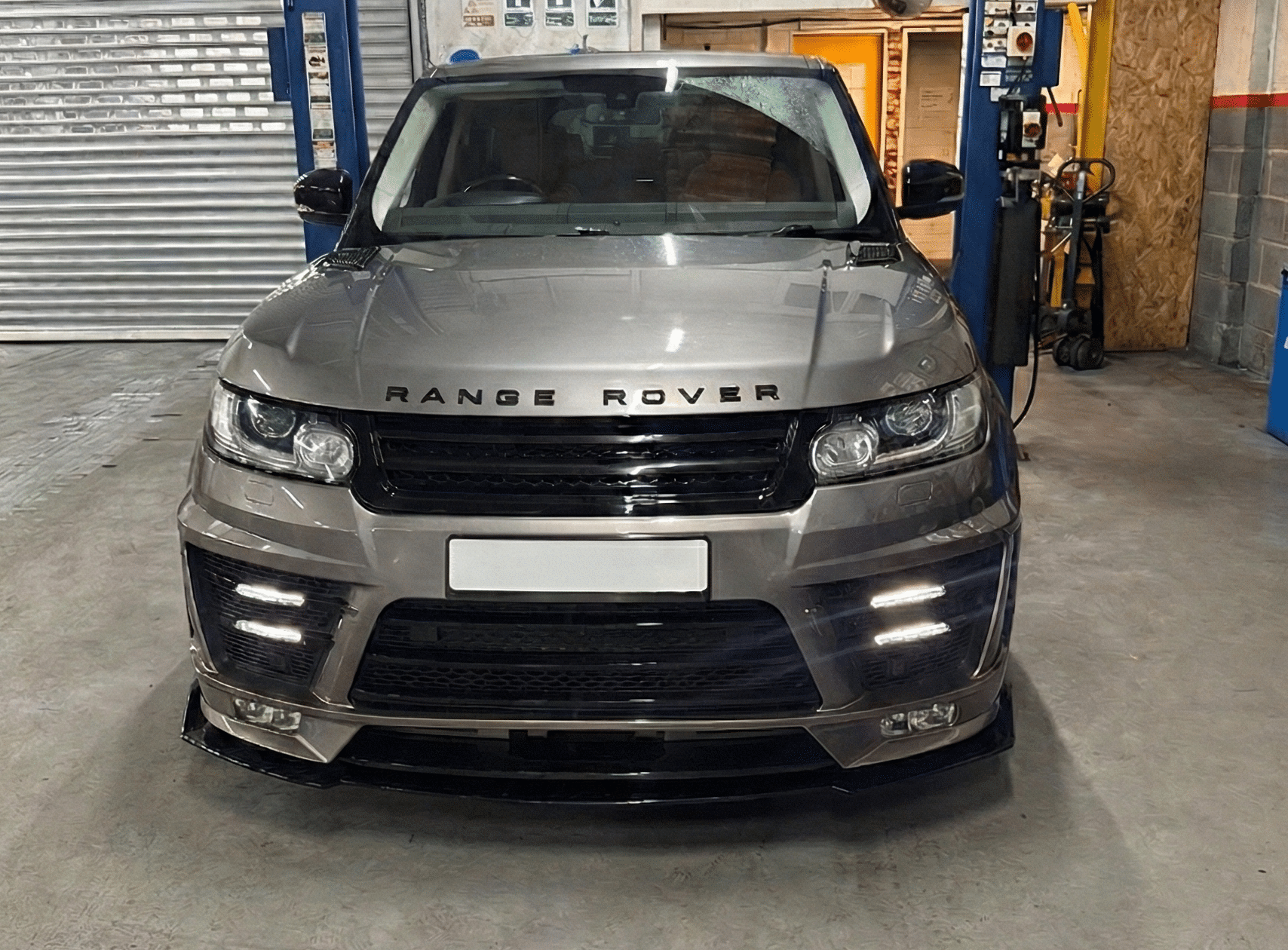
Mr G’s Range Rover Sport was showing two concerns that were difficult to make sense of. A noticeably hard brake pedal was present, alongside a suspension warning that appeared intermittently and restricted the vehicle to normal height only.
The brake pedal issue was most evident first thing in the morning, after the vehicle had been left standing overnight. No brake warning lights were displayed, yet the pedal response felt clearly different from normal. At the same time, a suspension message would appear without warning, limiting height adjustment and adding to the uncertainty.
Knowing that braking feel and suspension operation both play a major role in vehicle safety and control, Mr G wanted the issues assessed properly before they developed further. He booked the vehicle in with the team at Standish Service Station for a structured technical evaluation, allowing both concerns to be examined in a controlled and methodical way.
With the initial concerns confirmed, the investigation could begin.
Understanding the Initial Suspension Restriction and Brake Pedal Issue
The first step at Standish Service Station was to confirm the behaviour Mr G had been experiencing. With the vehicle cold after standing overnight, the brake pedal was assessed and found to be noticeably firm. The suspension system was then checked and confirmed to be restricted to normal ride height only, consistent with the warning message reported.
This confirmed that the concern was not limited to a message alone, but an active Land Rover suspension fault that required further investigation.
Following this confirmation, dealer-level diagnostic equipment was used to assess the data recorded by the vehicle’s control modules. This initial check identified a stored suspension-related fault code:
- Land Rover fault code C1A20-64 – air suspension reservoir pressure increases too slowly
This indicated that reservoir pressure was not increasing at the expected rate, which explained why the suspension system was limiting height adjustment and contributing to wider Land Rover air suspension issues.
Even so, this did not explain why the pressure build-up was delayed. There were also no fault codes present for the braking system, despite the confirmed change in pedal feel.
With the symptoms clearly established, the next step was to move beyond initial findings. A more detailed, structured inspection was required to identify the underlying causes.
Determining Why the Suspension Warning and Brake Pedal Issue Developed
Once the initial evaluation confirmed both the suspension warning and the change in brake pedal feel, the next stage was a structured investigation to establish what was driving each concern. The presence of Land Rover fault code C1A20-64 confirmed that suspension pressure was not increasing at the expected rate, but further testing was needed to understand why this was happening.
Step 1: Checking the Suspension System for Air Loss
With Land Rover fault code C1A20-64 recorded, the investigation began by considering what factors could prevent the suspension system from reaching the required reservoir pressure. A Range Rover Sport suspension problem of this nature can develop from several different conditions, so targeted testing was required.
One potential cause is air escaping from the system before pressure can be stored effectively. To assess this possibility, the air suspension components and associated pipework were inspected and tested methodically to check for any signs of leakage.
Testing confirmed that no external air loss was present, showing that the system was able to retain pressure and allowing attention to move away from leakage as a contributing factor.
Step 2: Assessing Compressor Performance
With the system confirmed to be sealed, focus shifted to how pressure was being generated. Testing was carried out to assess whether the compressor was capable of building and supplying reservoir pressure at the rate required for normal suspension operation.
The results showed that the compressor was not able to raise reservoir pressure within the expected timeframe. When this happens, the suspension control system limits height adjustment, which matched the warning message Mr G had been seeing.
This confirmed a Range Rover air compressor fault rather than a pressure retention issue elsewhere in the system.
Step 3: Investigating the Hard Brake Pedal
The Land Rover hard brake pedal was examined as a separate concern. A symptom of this type directed attention towards the brake vacuum assistance system rather than the hydraulic braking components.
The condition was recreated, and vacuum supply levels were checked against expected values. From there, the components responsible for creating and maintaining brake assistance were assessed individually, allowing the source of the vacuum loss to be identified.
The Conclusion: Two Faults Confirmed Through Testing
By the end of the investigation, clear and evidence-backed conclusions had been reached for both concerns.
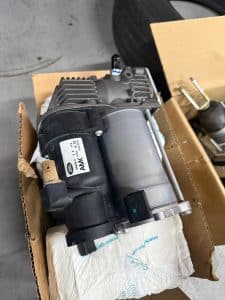
The suspension warning and Land Rover fault code C1A20-64 were traced to an air suspension compressor that could no longer build reservoir pressure at the rate required by the system.
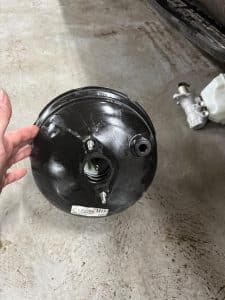
The hard brake pedal was caused by a failing brake assistance servo, which was allowing vacuum to deplete while the vehicle was parked.
With both faults confirmed through structured testing, the investigation phase was complete, and the repair stage could proceed with a clear understanding of what needed to be addressed.
Carrying Out Repairs to Restore Brake and Suspension Function
With both faults confirmed during the investigation stage, the next step was to complete the repairs needed to correct each issue. All work was carried out in line with manufacturer procedures, ensuring both systems were restored without creating further complications.
Brake Assistance Servo Replacement
Work on the vehicle began with the braking system. Manufacturer-approved procedures were followed to gain access to the brake assistance servo, allowing the unit to be removed without interfering with the hydraulic braking components. The faulty servo was removed and replaced with an OEM-quality unit, ensuring correct fitment and secure mounting.
Once installed, the vacuum connections were refitted and checked to confirm the system was sealed correctly. The brake pedal was then reassessed to confirm that brake assistance had been restored and that pedal response was consistent during operation.
This ensured the braking concern was resolved at source, without affecting other parts of the braking system.
Air Suspension Compressor Replacement
With the braking repair completed, the suspension repair could proceed. The failed air suspension compressor was removed and replaced with a new unit, following manufacturer guidance throughout the process.
Airline connections were refitted carefully to ensure the system could build and retain pressure once returned to operation. Dealer-level software was then used to reset the suspension system and allow normal control to be restored.
The suspension system was checked to confirm that height adjustment was available again and that the previous restriction was no longer present.
The Result After Brake and Suspension Issues Were Resolved
After the repair work and confirmation checks were completed, Mr G’s Range Rover Sport was returned with both concerns addressed. The heavy brake pedal issue was no longer present, with brake assistance operating correctly and consistently.
The suspension system was also functioning as intended. The previous warning message did not return, reservoir pressure was being built within the expected timeframe, and height adjustment was available again without restriction.
By having the vehicle assessed through a structured technical evaluation at Standish Service Station, each fault was identified accurately before any repair work was carried out. This ensured that the correct components were replaced without unnecessary work or repeat visits.
With both the braking and suspension issues resolved during a single visit, the vehicle was returned in a dependable condition, allowing Mr G to drive away confident that both systems were operating as they should.
Land Rover Brake or Suspension Issues? Speak to Standish Service Station
When a Land Rover begins to show warning messages or behave differently on the road, it’s important to have the issue checked before it escalates. Faults affecting braking or suspension benefit from a structured technical evaluation to ensure the underlying cause is identified correctly.
At Standish Service Station, you benefit from:
- Technicians experienced in assessing complex Land Rover faults
- A methodical, evidence-led approach to technical evaluation
- Repairs completed using OEM-quality components
- A 12-month parts and labour guarantee for added confidence
Standish Service Station has a {{average-rating}} star Google rating from {{review-count}} customer reviews, reflecting the trust placed in the team’s work.
If you’re concerned about your Land Rover, call 01257 422899 and speak to the team at Standish Service Station today.