Turbo Underboost Fault
Recently, we had a call from Mrs T. She contacted us after noticing her Land Rover behaving unpredictably on the climbs around Wigan.
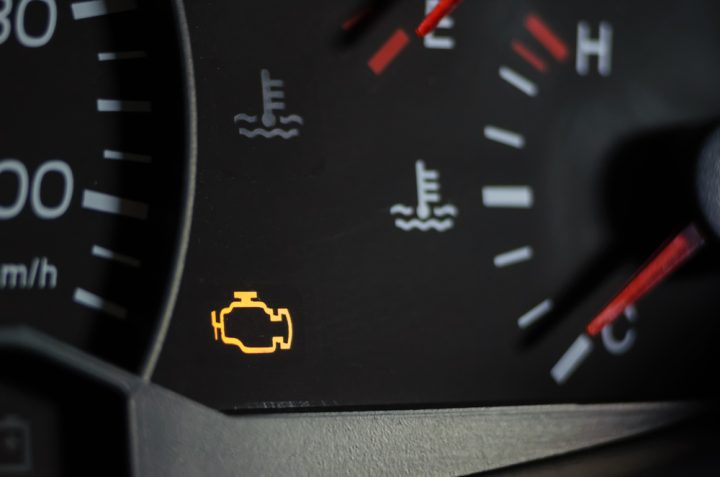
Some days, the vehicle felt completely normal. On others, the power dropped away without warning. Each time she accelerated uphill, the engine hesitated, and a restricted performance message appeared on the dashboard before disappearing again once the road levelled out.
Intermittent problems like this can leave any driver unsure of what their vehicle is trying to tell them. One journey felt fine. The next left her questioning whether the issue was getting worse.
Before long, she started to worry that the car wouldn’t complete the next journey they set out on.
Mrs T wanted clarity. She needed someone who could take uncertain symptoms and turn them into a clear, evidence-based diagnosis.
The next step was simple. The Land Rover needed a thorough assessment, so we booked it in without delay.

Identifying the First Signs of the Turbo Underboost Fault
Now the vehicle was in the safe hands of our technicians, the work began.
To recreate the symptoms Mrs T had experienced, we asked her to describe exactly when the Land Rover lost power, how the engine responded on the climbs toward Wigan and Bolton, and whether the restricted performance message stayed illuminated or cleared as the road levelled. These details helped shape the driving conditions we needed to reflect during testing.
Next, we connected the Land Rover to our manufacturer-level diagnostic tool and accessed the relevant Land Rover technical data to ensure that the assessment followed the correct procedure. The initial scan revealed a single stored fault code:
P0299-84 – Turbo/Supercharger Underboost
The turbocharger was not achieving the boost pressure the engine control module was requesting.
To observe the problem under real load, we carried out a controlled road test on routes similar to those Mrs T had described. Throughout the assessment, we logged serial data to capture how the engine behaved when demand increased. The hesitation she had noticed reappeared exactly as she experienced it, allowing us to return to the workshop with the information we needed for further evaluation.
A detailed review of the serial data showed a clear imbalance: the commanded boost pressure and the actual boost pressure were not aligning under load. The engine control module was asking for more boost than the turbocharger could produce, which explained the restricted performance message.
While this confirmed a boost shortfall, it didn’t reveal the underlying cause. Several different components can lead to the same pattern, so a structured diagnostic process was required to narrow down the fault accurately.
The Diagnostic Process That Narrowed Down the Turbo Underboost Fault
With the boost shortfall confirmed, our next aim was to identify why the turbocharger could not meet the commanded pressure. Each area that could influence boost performance was tested in sequence to ensure nothing was overlooked.
These are the steps we took:
Step 1: Inspecting the Intake and Charge-Air System
- We examined the intake pipework, intercooler connections and associated hoses for splits, loose fittings or disturbances that could allow boost pressure to escape.
- No visible issues were found, allowing us to rule out leaks or restrictions in this part of the system.
Step 2: Verifying System Integrity with a Pressurised Leak Test
- Using pressurised leak detection equipment, we introduced smoke into the intake and charge-air system to check whether any pressure was escaping under load.
- The system held pressure without smoke loss, confirming that the pipework and intercooler were intact.
Step 3: Testing the Boost Pressure Sensor and Wiring
- The boost pressure sensor was assessed using oscilloscope readings and circuit load testing to confirm correct supply, ground and signal output.
- All values met the expected range, ruling out both the sensor and its wiring as causes of the issue.
Step 4: Evaluating the Turbocharger Control Actuator
- We checked the turbocharger’s electronic actuator to ensure it responded correctly when the engine control module altered boost demand.
- Oscilloscope traces and wiring checks showed stable movement and consistent signals, allowing us to eliminate the actuator and its control circuit from the investigation.
Step 5: Mechanical Inspection of the Turbocharger
With leaks, sensors and control components ruled out, the final focus was the turbocharger itself. A mechanical inspection revealed internal wear that prevented the unit from achieving the boost pressure requested under load. This matched the serial data pattern recorded earlier and confirmed the turbocharger as the source of the underboost fault.
Completing the Turbocharger Replacement to Restore Boost
Once the cause of the fault was confirmed, we contacted Mrs T to explain the findings and outline the repair plan. We talked her through the diagnostic process, the components we had eliminated and the evidence showing that the turbocharger was unable to meet the required boost levels. With her approval, we carried out the replacement.
Here are the steps we took:
Turbocharger removal and preparation
- Access to the turbocharger was gained by removing the required intake pipework, heat shields and surrounding components.
- The turbocharger’s oil feed and return lines were inspected for restrictions or contamination that could affect the new unit.
Installing the new turbocharger
- The failed turbocharger was removed and the mounting surfaces were cleaned and prepared for the replacement.
- The lubrication system was primed so the new unit would receive oil immediately on first start-up.
- An OEM-spec replacement turbocharger was installed using the correct gaskets, seals and torque settings.
Reassembly and essential checks
- The intake system and associated components were reassembled, ensuring every fitting and bracket was reinstated securely.
- Oil supply to the new turbocharger was verified, and checks were carried out for any air, oil or exhaust leaks.
- All connectors and pressure hoses were correctly refitted.
- The stored fault code was cleared and the vehicle was prepared for final testing.
Final validation
- We carried out a controlled road test with serial data logging to monitor how the replacement turbocharger performed under load.
- The new unit achieved the commanded boost pressure consistently across the required operating range.
- The restricted performance warning message did not reappear, confirming that the fault had been resolved.
The Outcome: A Land Rover Restored After the Underboost Fault
The test drive showed that the Land Rover was now performing as it should, with consistent boost delivery and smooth power on the climbs around Standish and Wigan. No warning messages appeared and the engine responded confidently across the full route.
A final review of the serial data showed that the shortfall between commanded and actual boost pressure had been eliminated. This confirmed that the repair had restored the turbocharger’s performance and resolved the underboost fault.
Mrs T collected her Land Rover later that day, reassured that the issue had been accurately identified and successfully repaired.
Land Rover Experts Supporting Drivers Across Standish and Wigan
If your Land Rover is showing reduced power, hesitation on hills or warning messages under load, it’s important to have it assessed by a team who understand these vehicles properly. Problems like the turbo underboost fault can worsen over time, especially on the climbs around Standish, Wigan and Bolton.
At Standish Service Station, we use manufacturer-level equipment and the correct Land Rover technical information to assess performance issues accurately. Whether your vehicle is showing a boost shortfall, displaying warning indicators or developing symptoms under load, we have the tools and expertise to help.
By choosing us, you benefit from:
- Advanced engine testing with manufacturer-level tools
- Access to the correct Land Rover technical procedures for reliable diagnosis
- Structured fault tracing based on evidence
- Clear communication from start to finish
- A 12-month parts and labour guarantee
- A courtesy car available while your vehicle is with us
Land Rover drivers rate us {{average-rating}} stars from {{review-count}} reviews, reflecting the care we put into every assessment.
If your Land Rover isn’t performing as it should, call 01257 422899 and we’ll arrange a comprehensive evaluation.